
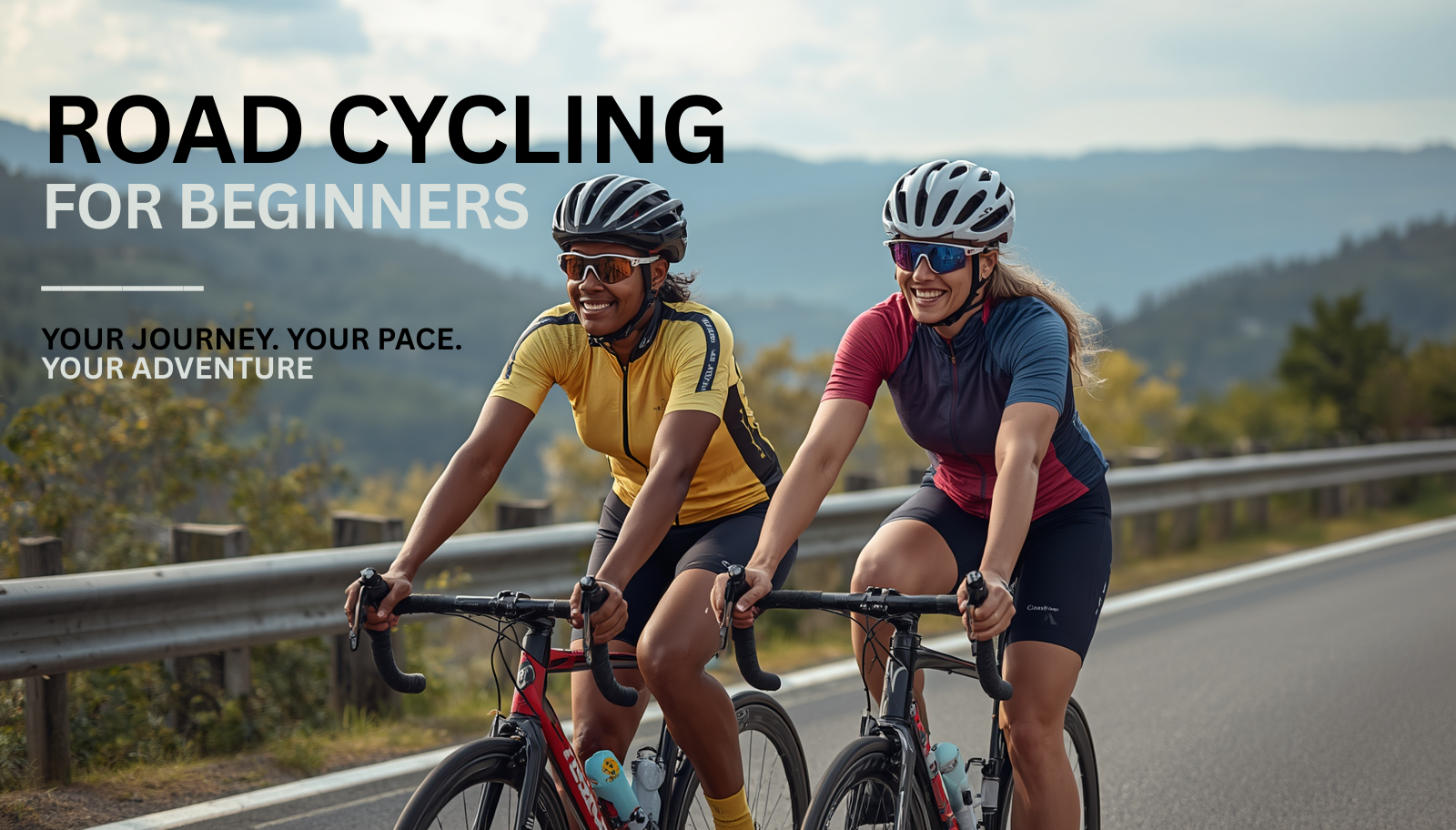
If you’re thinking about getting into road cycling, you’re probably feeling a mix of excitement and overwhelm.
Helmets, cleats, gears, group rides, bike computers… It can feel like you need a PhD just to leave the driveway.
Here’s the truth: you don’t.
I’m a director at work, a wife and mom at home, and somehow also a cyclist who loves long Saturday rides. Some weeks I’m leading strategy sessions, helping with homework, and trying to remember if I packed enough snacks for everyone—including me. And yet, riding has become one of the things that makes all of it possible. It’s my headspace, my strength, my “me time” that actually makes me better at everything else.
This guide is the start-here page for everything cycling on this site. It’s what I wish someone had handed me on day one: clear, practical, and realistic for a busy life. No jargon overload. No “you must buy everything today” pressure. Just what you need to get started, stay safe, and actually enjoy the ride.
Bookmark this. Come back to it often. And let’s get you rolling.
Why Road Cycling? (And Why It’s Worth the Learning Curve)
Maybe you’re here because:
- You want a new way to get fit that doesn’t feel like a chore.
- You love the idea of exploring your neighborhood (or new cities) on two wheels.
- You’re curious about the community—group rides, events, cycling trips.
- You saw someone out on a road bike looking effortlessly strong and thought, “I want that.”
Road cycling checks a lot of boxes:
- Fitness: cardio endurance, leg strength, core stability, mental resilience.
- Freedom: the ability to cover real distance under your own power.
- Community: casual coffee rides, women’s groups, charity events, travel adventures.
- Flexibility: you can ride 30 minutes or 3 hours, alone or with friends, indoors or out.
Yes, there’s a learning curve. Yes, there’s gear. But you don’t need to know everything on day one. You just need a safe setup, a simple plan, and the willingness to start.
My first real road ride was nerve-wracking. I worried about looking clueless, dropping my chain in front of strangers, and honestly, just staying upright. Now, some of my best memories—and hardest workouts—happen on the bike. If I can make this fit into a life full of meetings, school schedules, and laundry, you absolutely can too.
What You Actually Need to Get Started
Let’s separate must-haves from nice-to-haves. You can start with a modest setup and upgrade as you go.
The Absolute Must-Haves
These are the non-negotiables. Everything else can wait.
1. A Bike That Fits You and Your Goals
You don’t need the most expensive bike on the wall. You need something that:
- Fits your body reasonably well
- Matches the type of riding you plan to do
- Is safe and mechanically sound
Types of bikes to consider:
- Road bike: Built for speed and efficiency on pavement. Great if you want to ride longer distances, join group rides, or eventually do events.
- Gravel bike: Similar to a road bike but more versatile—wider tires, more stable geometry. Great if you want to mix pavement with light dirt or gravel paths.
- Hybrid/fitness bike: More upright position, often flat handlebars. Excellent for shorter rides, commuting, and getting comfortable before committing to a dedicated road bike.
I started on a Trek road bike that was entry-level but perfectly fine for learning. Later, I upgraded to a Specialized when I knew I was serious about riding. The brand matters less than fit and feel.
If you’re unsure which type is right for you, I’ll break this down in more detail in my “How to Choose Your First Road Bike” New to road cycling? This complete guide for beginners covers gear, safety, simple training, and how to fit rides into a busy life as a working mom and professional. [7-Day Cycling Training & Nutrition Plan for Busy Riders-coming soon]
2. A Helmet That Actually Fits
This is non-negotiable. A proper helmet can be the difference between a bad day and a life-changing one.
Look for:
- Certification (CPSC, CE, etc.)
- Good fit: snug but not painful; doesn’t shift when you move your head
- Ventilation you’re comfortable with
- Adjustability (dial fit, strap adjusters)
You don’t need the most aero, pro-level helmet to start. You need one you’ll actually wear, every ride.
3. Basic Repair Kit: Be Your Own First Line of Defense
You don’t need to be a mechanic, but you should be able to handle a flat and minor adjustments.
At minimum, carry:
- Spare tube (or tubeless patch kit, if applicable)
- Mini pump or CO₂ inflator
- Multi-tool (with chain tool if possible)
- Optional but smart: a small tire lever, cash/card, and phone
I keep a small bag under my saddle with these basics. It’s saved me more times than I can count, especially on rides where help wasn’t just a phone call away.
4. Lights (Even If You Don’t Plan to Ride in the Dark)
Life happens. Meetings run late. Kids’ schedules change. Suddenly, what was supposed to be a daylight ride edges into dusk.
At minimum:
- One front light (white)
- One rear light (red)
- Both visible from a reasonable distance
I treat lights like seatbelts: I hope I never “need” them in an emergency, but I’m not leaving without them.
5. Water Bottle + Cage
Hydration is part of safety and performance.
- At least one bike-specific bottle (they fit better in cages than random gym bottles)
- One bottle cage mounted on your bike
For most rides under 90 minutes, one bottle is fine. For longer rides or hot days, consider two.
Highly Recommended (But Not Day-One Musts)
These items improve comfort, performance, and enjoyment. Add them as you ride more and know what you like.
- Cycling shorts or bibs: reduce saddle discomfort and chafing.
- Jersey or moisture-wicking top: pockets for snacks, better fit for riding position.
- Cycling shoes & pedals: more efficient pedaling once you’re comfortable.
- Gloves, sunglasses, and layers: comfort and protection.
- Basic bike computer or phone mount: track time, distance, and route.
I use a Garmin device to track my rides, runs, and daily activity. It’s become a core part of how I plan and review my training alongside work and family life.
What to Wear on Your First Few Rides
You do not need a full kit to begin.
For your first rides, focus on:
- Comfortable athletic shorts (or cycling shorts if you already have them)
- Breathable top (nothing cotton-heavy if you can avoid it)
- Sneakers (if using flat pedals)
- Helmet (always)
- Layers as needed for weather
If you’re warm enough, visible, and comfortable, you’re dressed correctly.
As you ride longer or more often, consider cycling-specific clothing: padded shorts/bibs, jerseys, weather layers. I do a lot of early-morning rides before work and family chaos starts. My rule: if I’m visible, warm enough, and comfortable, I’m dressed correctly. The fancy kit is nice; the consistent riding is what matters.
I break this down in more detail in my “What to Wear on Your First Road Cycling Ride” guide.
Your First Month on the Bike: A Simple Plan
You don’t need a complicated training plan to start. You need something realistic that fits your life.
Here’s a simple framework for your first 4 weeks. Adjust based on your schedule, fitness, and how you feel.
Week 1: Get Comfortable on the Bike
- 2–3 rides, 30–45 minutes each
- Flat or gently rolling routes
- Focus on smooth shifting, comfortable posture, and basic handling
No pressure on speed or distance. This week is about building confidence.
Week 2: Add One Slightly Longer Ride
- 2 rides, 30–45 minutes (easy, familiar routes)
- 1 ride, ~60 minutes (still conversational pace)
Pay attention to how your body feels and how your energy responds.
Week 3: Try Something New
- 1–2 easy rides, 30–45 minutes
- 1 new route or casual group ride, 60–75 minutes
Explore a nearby park or quiet neighborhood loop. If you feel ready, try a beginner-friendly group ride.
For more on group dynamics, see my “Group Ride Etiquette for New Road Cyclists” post.
Week 4: Celebrate Your Progress
- 1–2 regular rides, 45–60 minutes
- 1 longer ride, 75–90 minutes (if you feel good)
This doesn’t have to be fast. It just has to be yours.
At the end of the month, ask yourself:
- What did I enjoy most?
- What felt hard that I’d like to improve?
- Do I want more structure, more distance, more community?
Your answers will guide your next steps.
If you want a more structured plan, I’m building a beginner 4-week program with specific workouts and progression. Join my email list to get it when it’s ready.
Find a Local Bike Shop (And Ride With Them)
One of the best decisions we made as new cyclists was finding a local bike shop that hosts rides. It made a huge difference.
Why it matters, especially at the start:
- Safety: Riding with others is generally safer than riding alone, especially while you’re learning road habits and building confidence.
- Support: Someone can help with a flat, share tools, or show you a better line on a hill.
- Community: You’ll meet riders at your level and a bit ahead of you, which is motivating without being intimidating.
- Learning: You’ll pick up unwritten rules—how to call out hazards, how to ride in a paceline, where to position yourself—just by being there.
How to find one:
- Google “bike shop near me + group rides” or “beginner cycling group [your city].”
- Call or visit and ask:
- Do you host beginner-friendly rides?
- What days/times?
- What’s the typical distance and pace?
- Is it okay to show up with an entry-level bike and basic gear?
Most shops are thrilled to help new riders get started. Many have weekly no-drop or beginner rides specifically designed for people in your shoes.
If you’re nervous, tell the shop owner or ride leader: “I’m new to road cycling and want to get comfortable riding with a group.” They’ll point you to the right ride and often pair you with a more experienced rider.
This is how we started riding, and it changed everything. Instead of figuring it all out alone, we had a group, a route, and people who could answer questions on the spot.
Basic Skills Every New Road Cyclist Should Know
Focus on these fundamentals first:
- Shifting: Change gears before you feel like you’re struggling; avoid extreme chain angles.
- Braking: Brake before turns, not in the middle; use smooth, progressive pressure.
- Cornering: Look where you want to go, keep a relaxed grip, and let the bike move beneath you.
- Climbing: Shift early, stay seated when you can, and focus on steady breathing.
- Descending: Hands near the brake hoods, eyes up, brake before corners.
- Group riding: Stay predictable, call out hazards, and maintain a steady line.I cover group dynamics in more depth in my “Group Ride Etiquette for New Road Cyclists” post.
Fueling Your Rides Without Overcomplicating It
You don’t need a sports nutrition degree to ride well.
- Under 60 minutes: Water is usually enough; a light snack beforehand if you’re hungry.
- 60–90 minutes: Small pre-ride snack; water; maybe one gel or bar if it’s hot or hard.
- 90+ minutes or very intense: Plan pre-, during, and post-ride fuel with carbs and some protein after.I break this down with specific meal ideas and timing in my “Cycling Nutrition for Beginners” post.
Staying Safe and Confident on the Road
Safety is about habits, awareness, and boundaries.
- Choose quieter roads, bike lanes, or known cycling loops when possible.
- Use front and rear lights, even in daylight if you’re in mixed traffic.
- Wear bright or reflective clothing near cars.
- Obey traffic rules, signal turns, and ride predictably.
- Keep headphones low or off in traffic; scan ahead for hazards.
- Trust your gut. If something feels off, change your route or head home.
As a woman who sometimes rides alone at dawn, I’m strategic: I stick to familiar loops, avoid sketchy areas, and let my husband know where I’m going. And whenever possible, I ride with a group.
I’ve created a full “Cycling Safety Checklist for Road Riders” that walks through gear, habits, and rules step by step.
Fitting Cycling Into a Busy Life (Work, Kids, Everything Else)
I’m not a “quit your job and ride full-time” person. I’m a “squeeze in 45 minutes before the day explodes” person. That’s enough to get strong, clear-headed, and happy on the bike.
- Early morning rides before the house wakes up
- Lunch rides if you work near home
- Weekend rides as “me time” while kids are at activities
- Indoor trainer sessions when schedule, weather, or safety don’t cooperate
Missed a week? Start again. Only have 30 minutes? Ride 30 minutes. Had a brutal workday? Do an easy spin, not a hero workout.
If you want my exact weekly template for balancing work, family, and training, join my email list—I share those kinds of behind-the-scenes plans there.
Common Beginner Mistakes (And How to Avoid Them)
- Doing too much too soon: progress gradually in time and intensity.
- Over-gearing: start with must-haves, then upgrade as you learn what you use.
- Ignoring comfort issues: adjust position, try different saddles, consider a basic bike fit.
- Comparing yourself to seasoned riders online: compare yourself to your past self.
- Skipping rest and recovery: build in easy days and full rest days.For more on recovery, see my “Cycling Recovery Guide.”
Where to Go From Here
You now have a roadmap to start road cycling in a way that fits your real life.
To keep building from here, explore these next:
- “Essential Road Cycling Gear for Beginners: What You Actually Need”
- “What to Wear on Your First Road Cycling Ride (Beginner’s Kit List)”
- “Cycling Nutrition for Beginners: What to Eat Before, During, and After”
- “How to Ride Hills on a Road Bike: Technique, Gearing, and Training”
- “Group Ride Etiquette for New Road Cyclists”
- “Cycling Safety Checklist for Road Riders”
If you’d like a simple checklist version of this guide plus my favorite beginner gear picks, join my email list. I share practical resources like that there, along with training templates, nutrition ideas, and behind-the-scenes from my own juggling act.
Your first year on the bike can be some of the most fun, freeing riding you’ll ever do. You don’t need to be perfect. You just need to be curious, kind to yourself, and willing to show up—even if it’s just for 30 minutes between meetings and bedtime stories.
Welcome to the ride. 🚲