
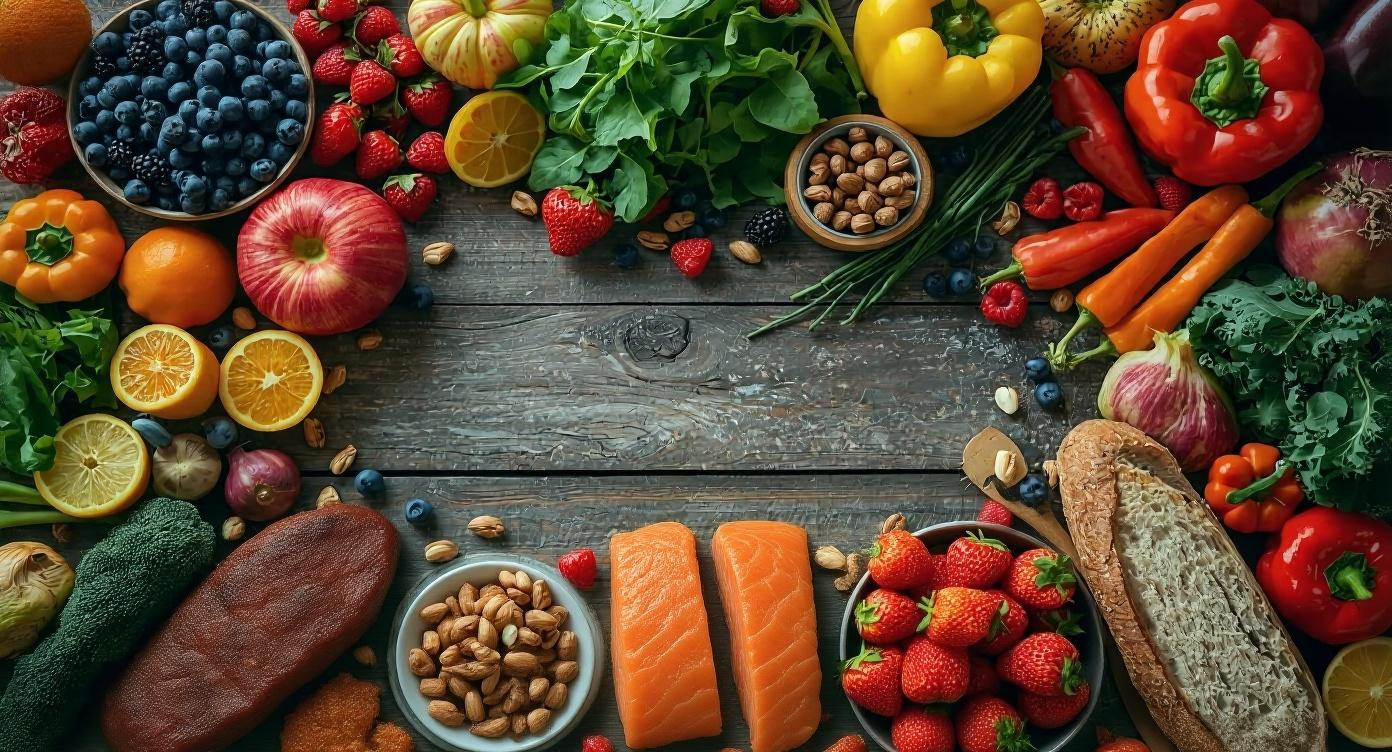
If you’ve been scrolling through the news or tapping through social media recently, you’ve likely seen the buzz. Headlines are everywhere boldly claiming that the traditional food pyramid as we’ve known it has officially been “flipped on its head.”
For many of us who simply want to rely on steady, established wisdom for our family’s health, a sudden, dramatic shift in the news can feel incredibly disorienting. You might find yourself wondering, how do new dietary guidelines affect my family, and do I need to throw out my whole pantry tonight?
Here at Quietly Well, we believe in wellness for real life, rooted completely at home. Instead of getting caught up in the media panic, let’s take a deep breath together. Let’s strip away the sensational headlines and explore what the latest dietary guidelines updates actually mean for your kitchen, your grocery budget, and your approach to nourishing your loved ones.

What’s the Big Shift? (The Headlines vs. Reality)
Without diving into every single clinical nuance, the general gist of this “flipping” refers to a massive, long-overdue re-evaluation of how we view macronutrients. Specifically, the new changing nutritional guidance at home focuses on a few core pillars of clean eating:
- Quality Over Quantity: The old, exhausting obsession with simply “avoiding all fat” is officially taking a backseat. Instead, the focus has shifted toward choosing complex, fiber-rich carbohydrates over highly refined sugars and stripped grains.
- The Right Fats Are Your Friends: There is finally a clear, official distinction being made between traditional whole fats and heavily processed fats. (Curious about making the switch? Check out my ultimate guide to traditional fats for cooking!)
- Sustained Protein Power: We are seeing a continued, strong recognition of protein’s vital role in muscle recovery and daily fullness, with an emphasis on sourcing quality, diverse proteins.
- A Whole-Food Foundation: Above all, the core advice heavily encourages loading up on fruits, vegetables, and ancestral whole foods as the true foundation of our plates.
Ultimately, it’s less about a revolutionary, strange new food group suddenly appearing. Rather, it is a refined, common-sense understanding of how our bodies process real nutrients over the long term.

Bringing the Guidance Home: Simple Whole Food Swaps
So, how do we translate these massive corporate updates into stress-free, practical steps for our busy, real-life homes? To take the overthinking out of it, here are the simple ways you can adapt your routine this week:
1. Load Up on Real Color
This is perhaps the easiest and most impactful takeaway. Aim to fill a good portion of your plate with colorful vegetables. To match your busy schedule, remember that fresh, frozen, or cleanly canned options all work beautifully.
- Try This: Toss an extra handful of leafy greens into your morning eggs, or roast a rustic tray of mixed veggies on Sunday for easy, grab-and-go sides.
2. Rethink Your Grains
Instead of falling into the trap of cutting out carbs entirely, simply shift your focus toward intact, complex options. Swapping out quick-cooking white grains for things like quinoa, wild rice, or sprouted oats provides the fiber your gut needs for stable energy.
- Try This: Swap a sugary box cereal for a warm bowl of rolled oats to give your family a steady, crash-free morning start.
3. Drop the Fat Phobia
Don’t fear traditional fats! Incorporating rich, whole sources like avocados, grass-fed butter, or wild-caught fish makes meals infinitely more satisfying and keeps mid-afternoon sugar cravings at bay.
- Try This: Make a permanent swap away from industrial yellow seed oils in your skillet and reach for traditional tallow, ghee, or avocado oil instead.
4. Practice Kitchen Awareness
Wellness isn’t just about the exact items on your plate; it’s about how you interact with them. Take an extra moment to actually slow down, savor the flavors of your food, and tune in to your body’s natural fullness cues.
5. Reclaim Your Countertop
The absolute greatest power you have over your health is preparing your own meals. When you choose to cook from scratch, you gain total control over the ingredients, the quality of the fats, and the hidden sugars. This is exactly where wellness truly becomes rooted at home.
Danielle’s Take: Consistency Beats Perfection
I’ve tried a lot of different health and nutrition advice over the years, and one major thing I’ve learned is that consistency beats perfection every single time. I still enjoy dessert. I still eat out with friends. The difference is that I understand how those choices fit into the bigger picture instead of feeling guilty about them.
These healthy food group changes in the news might look like a revolution, but they are really just an evolution back toward the basics. You do not need to overhaul your entire life by tomorrow morning to be “healthy.” Start small, pick one simple swap that feels good for your unique body, and let go of the lifestyle pressure.
The Quick Skim Takeaway
Don’t let the media buzz stress you out. The latest dietary guidelines updates are simply validating what we’ve practiced all along: prioritizing quality over quantity, embracing traditional fats, and focusing on simple whole food swaps. Focus on data over drama, cook from scratch when you can, and navigate your kitchen with absolute peace.


